Traditional Media
Crosshatch photo filter
Tone woven from intersecting lines — the draftsman's shading, made visible.
4 free credits at signup — enough for one Standard remake.
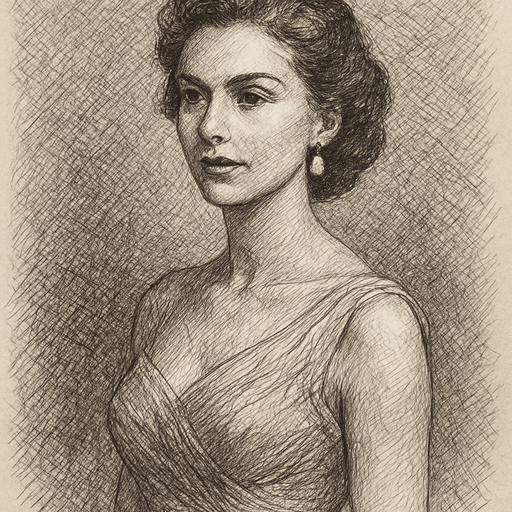
Made with this filter in the Photomaker studio.
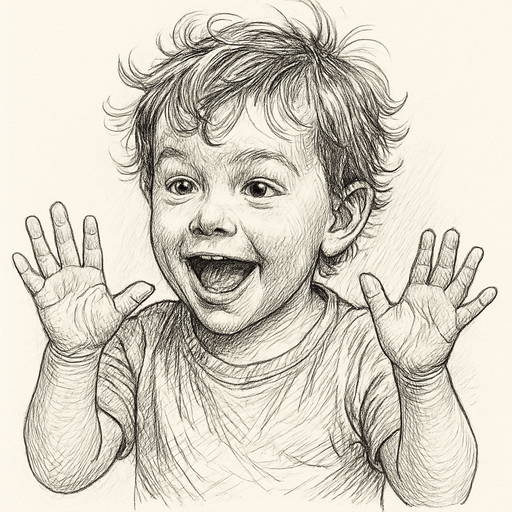
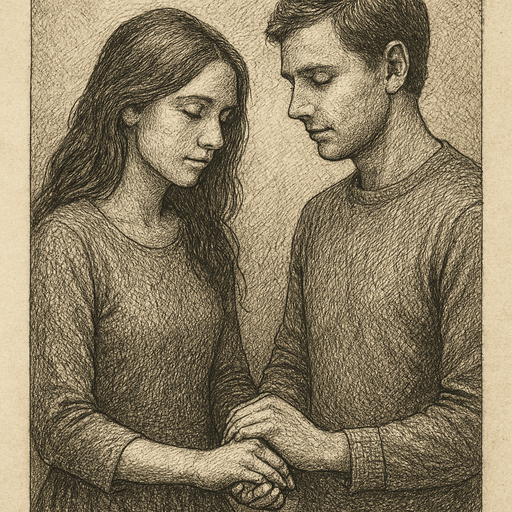
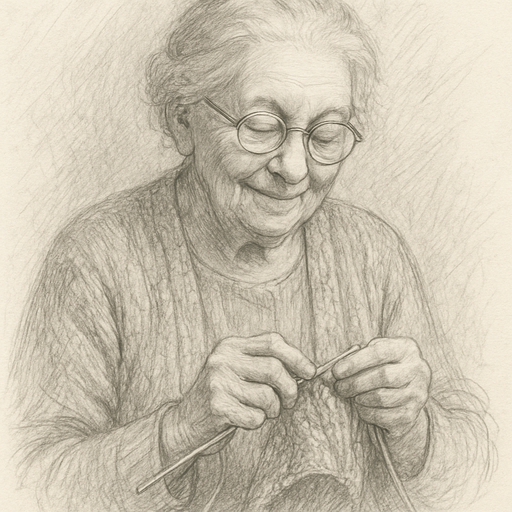
Crosshatch builds every shadow in your photo from layered intersecting line sets: one direction for light shade, two for mid-tones, three or four woven deep for the darks. The technique stays proudly visible — you can read the tonal logic right off the page.
It suits portraits, drapery, and architectural detail, and it has a scholarly, hand-of-the-artist quality that flatters serious subjects. Tip: smooth tonal range in the source gives the hatching a clean ramp to climb. Harsh on-camera flash creates two-tone photos that skip straight from bare paper to maximum weave, wasting the technique's middle registers.
Good to know
What is crosshatching, in one sentence?
Shading built by layering intersecting sets of parallel lines — the denser the weave, the darker the tone. It is drawing's way of painting shadow with nothing but line.
Crosshatch or Pen & Ink — which shows the technique more?
Crosshatch makes the weave the star, keeping it large and legible; Pen & Ink uses hatching among other techniques in service of a finished illustration. Pick Crosshatch when you want the method itself on display.
Nearby styles